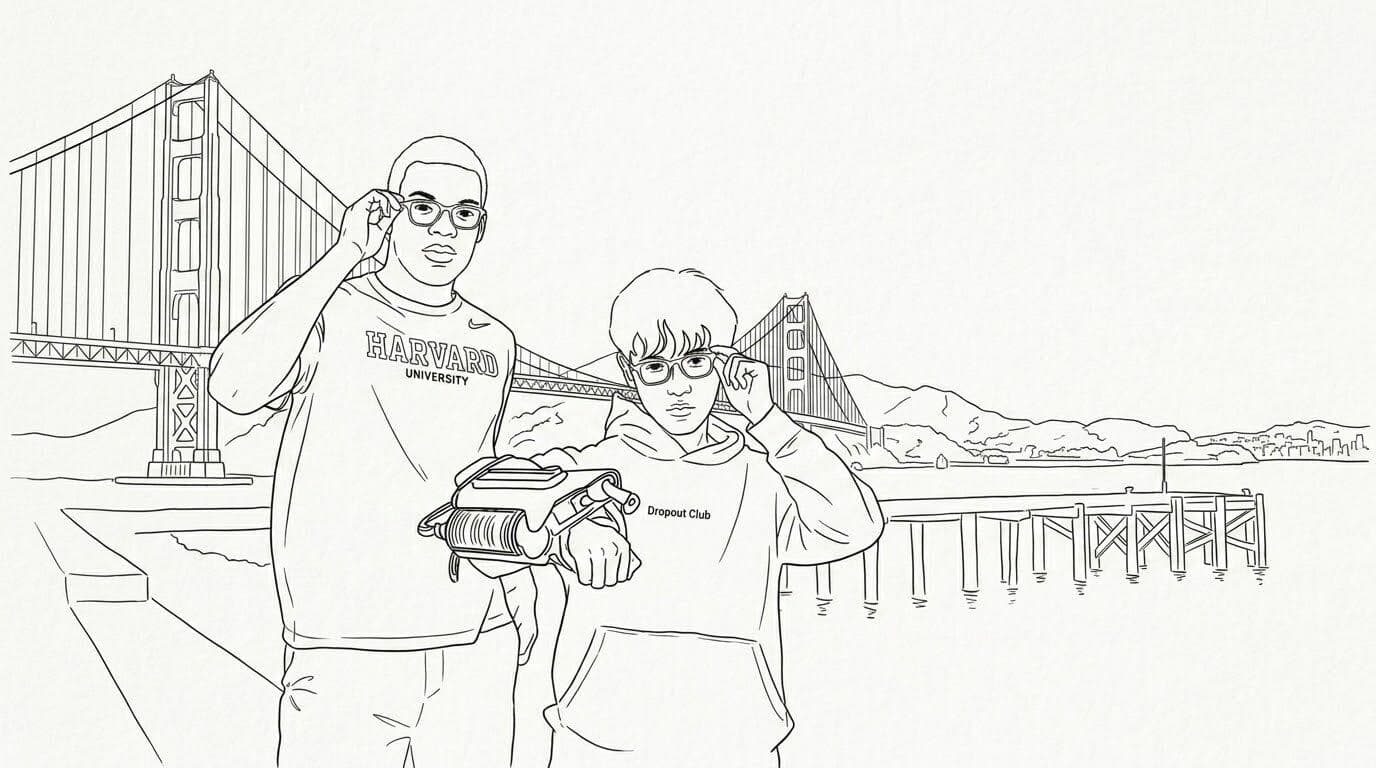
On a Friday like any other in the fall of 2024, a man named Kashif Hoda was waiting for a train near Harvard Square when a student in black frames stopped to ask him for directions. A small white light blinked in the corner of the frames. Nowadays, it would’ve been a dead giveaway, but Hoda did not notice it.
A few minutes later, as his train pulled into the station, the student approached him a second time. "Do you happen to be the person working on minority stuff for Muslims in India?" he asked. Hoda was startled. He worked in biotechnology, but long ago he had once been a journalist, and more than 10 years earlier he had written about marginalized communities in India. The student said that he had read his work. Not even his closest friends recognized that work. They shook hands, the train boarded, and Hoda spent the ride wondering how a stranger on a subway platform had come to know his byline.
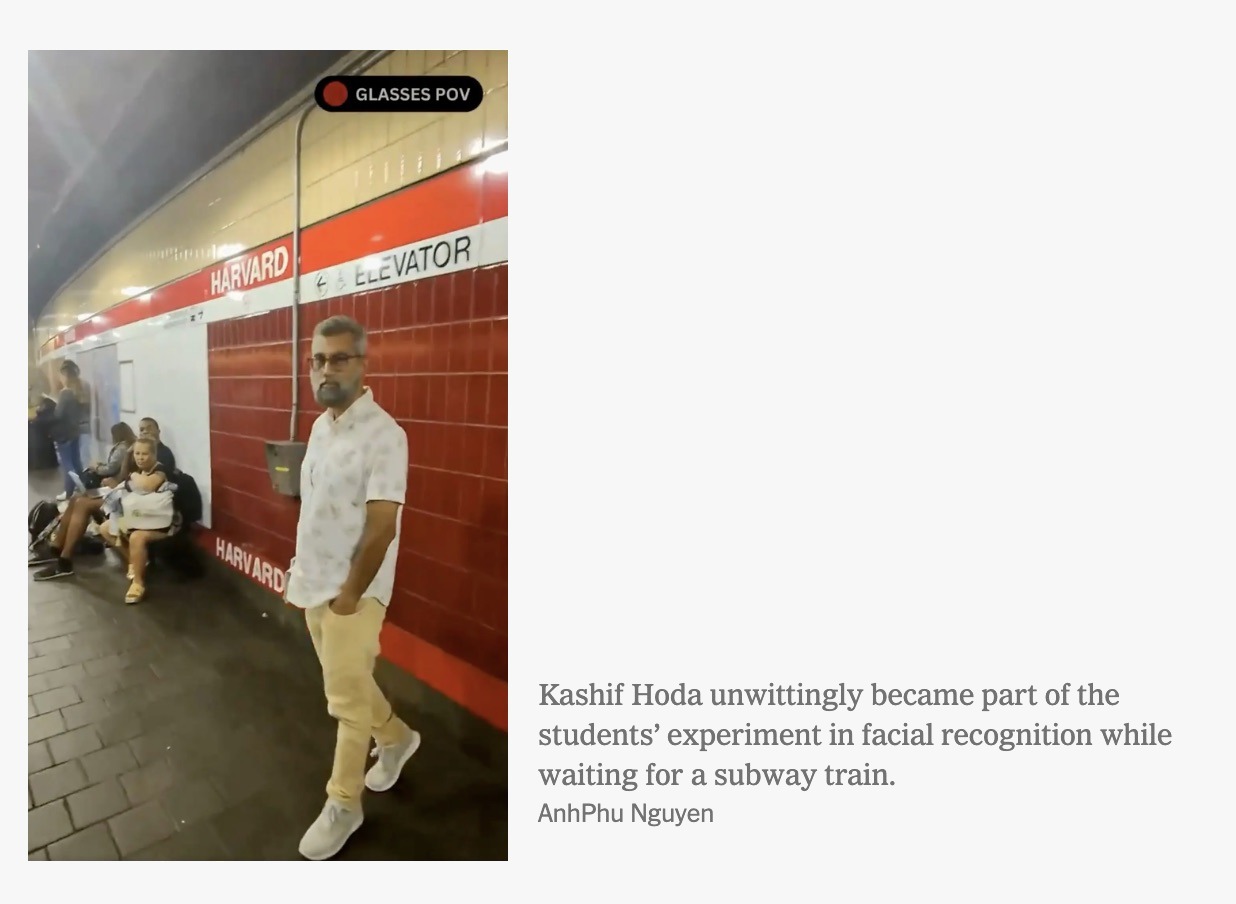
The stranger was AnhPhu Nguyen, then a junior at Harvard, and it was his glasses that had done the doxxing. Nguyen and Caine Ardayfio, both 21, had wired a pair of Meta Ray-Bans to a face search engine and to a database that journalists use to find sources. The glasses streamed video, the software matched the face against the open internet, and a language model assembled whatever came back into a life: government name, home address, relatives, job history. Writing the code took 4 days, then called I-XRAY.
Within that same month, they were flown out to be interviewed by all corners of the free world, from the New York Times & Forbes to Chinese & French broadcasts. They’ve accidentally unveiled a pandora’s box in privacy.
The tinkering years
But this wasn’t a malicious doing of some evil genius. At 16, AnhPhu spent most of his time at “Phu’s Phone Emporium,” his own local electronics repair shop. Based in suburban Nebraska, AnhPhu was one of the few who had the savviness to save friends and family from expensive trips to the Apple Store, fixing cracked iPhone screens or swapping out blown out speakers. Among free phone fixes, AnhPhu was also known to give hair-tastic haircuts to his friends, family, & soon dormmates.
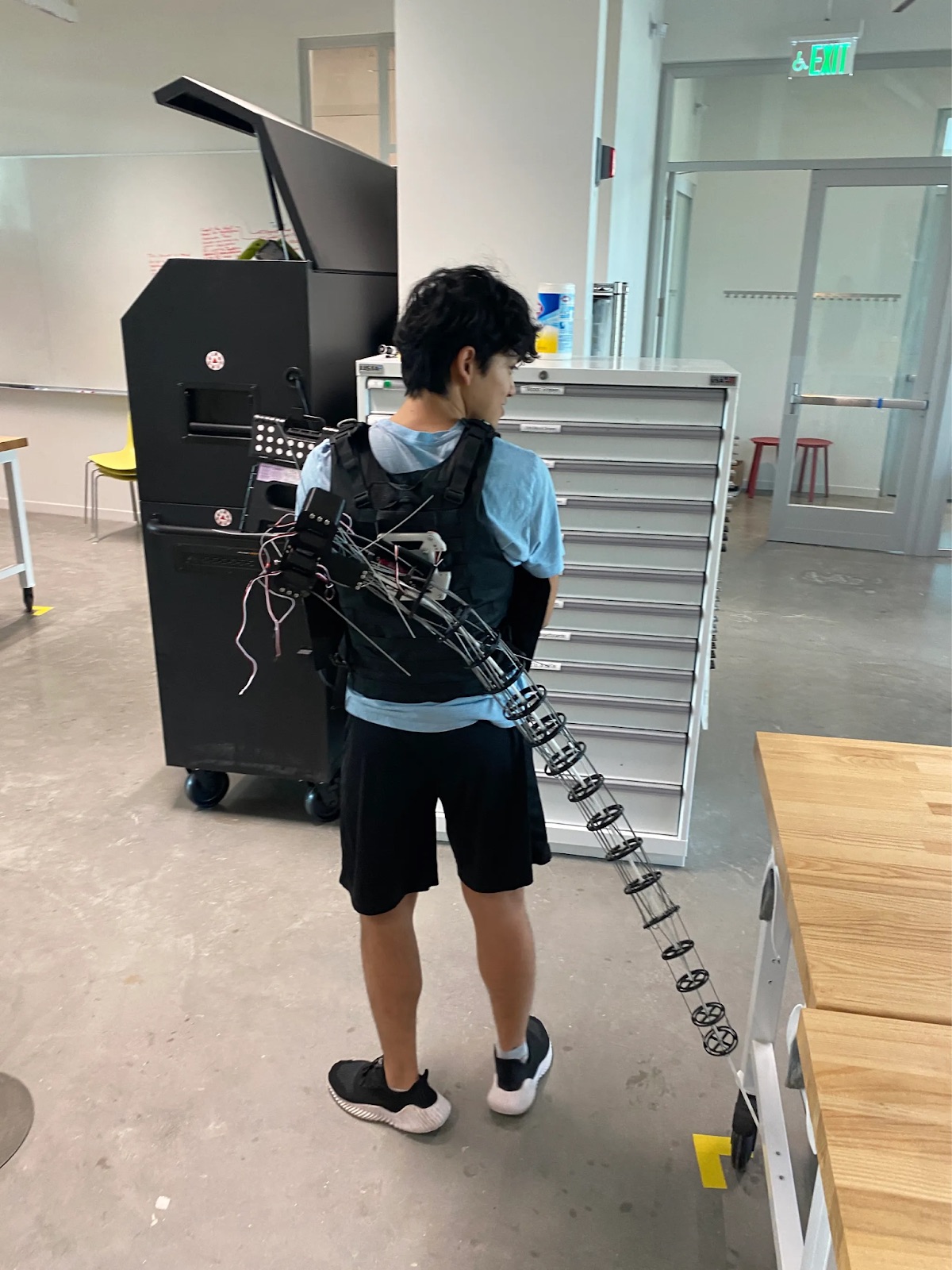
When AnhPhu began attending Harvard, he spent his curiosity tokens at the Harvard Innovation Lab (HIL), where he set to work on a robotic prosthetic that mirrored hand movements. His work caught the attention of fellow HIL’er Caine Ardayfio, another student tinkering on a mind-controlled electric skateboard. The two hit it off, bonding over Arduinos and hardware projects, and their friendship would serve as a catalyst for a year of tinkering and experimentation. Over the next few months they built one project after another, an Iron Man helmet with Jarvis, a natural-language 3D game engine, later a tentacle arm reminiscent of Dr. Octopus from Spiderman.
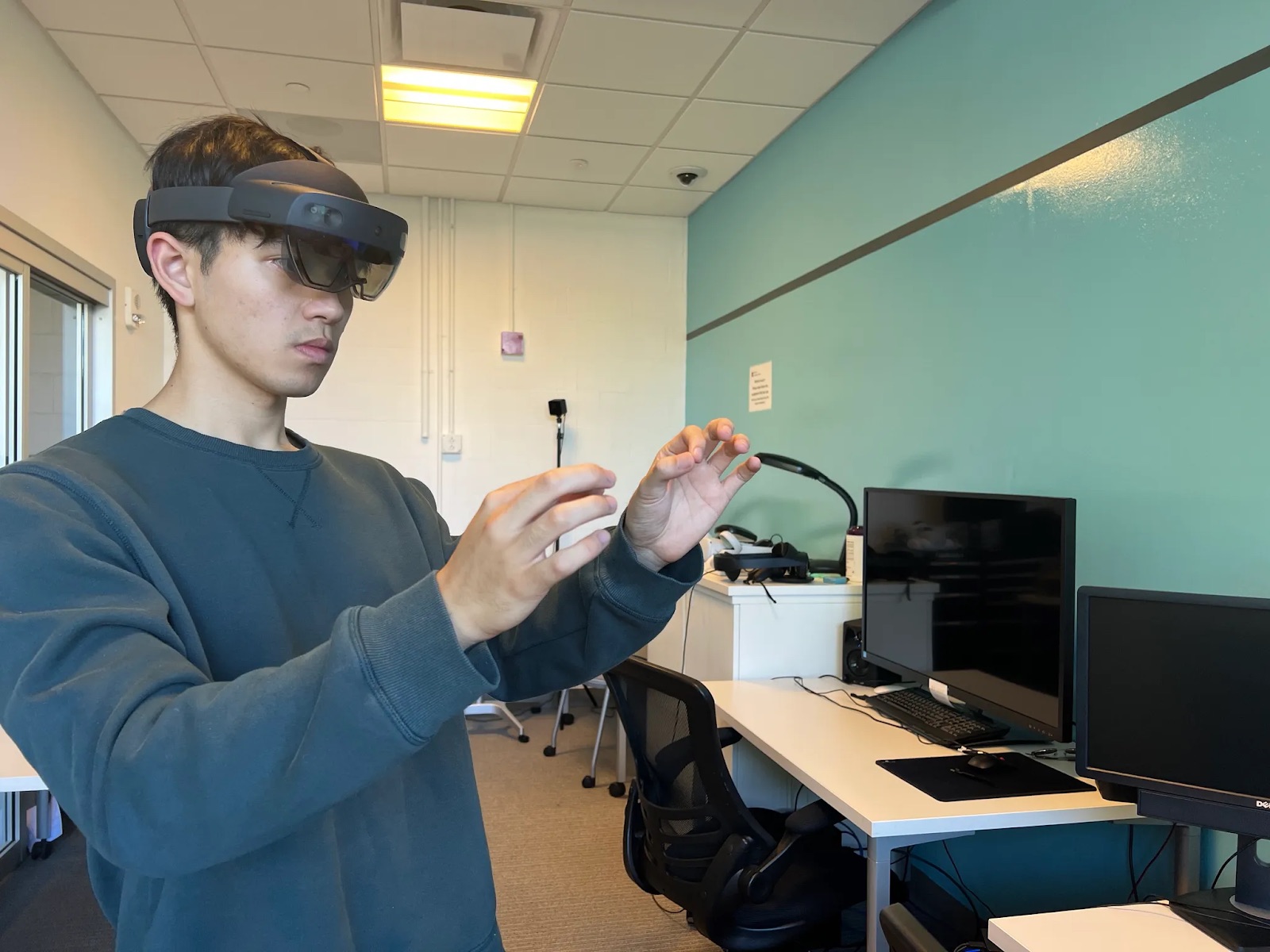
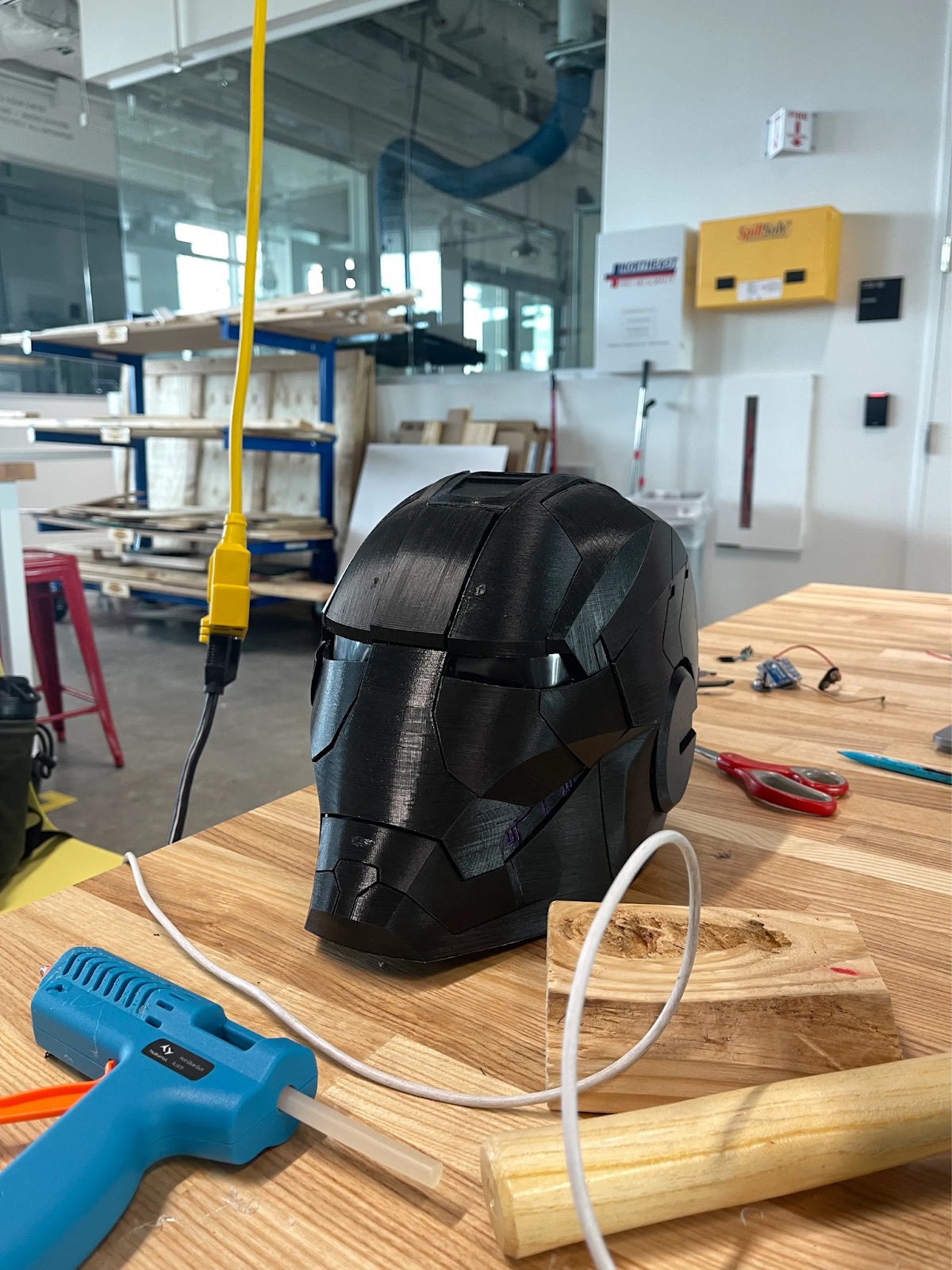
By sophomore year, they tinkered elsewhere: Caine to Prod, a magical accelerator in Boston where legends like Cursor, Etched, Flapping Airplanes, & Mercor were created. AnhPhu, meanwhile, joined C-House, an off-campus hacker house for Harvard & MIT students. He then pushed Harvard to invent his own special concentration in human augmentation; only 10 students in Harvard at any given time have achieved a special concentration status.
By junior year, the tag-team focused on glasses as a birthday project. AnhPhu had known for years about PimEyes, a face search engine that could return every page a face appeared on and nothing about who the face belonged to. They then unlocked language models, where it was finally sufficient to read a pile of links to come back with a personal summary. Within a month, AnhPhu & Caine reverse-engineered the then-new Meta Raybans, and added their own software.
The video went past 80 million views, and the press that followed the following semester was not gentle. The two of them sat in front of cameras answering the same questions. Was it open source? Was it for profit? Did they understand what they had made?
Alongside the video, they even published a guide for defending against their own invention: how to scrub your record from the people-search sites, and how to freeze your credit at the bureaus. But their warnings weren’t enough to anti-privacy activists, keen to keep technology in its pandora’s box.
They presented their findings to Harvard Law. They traveled to Asia and European conferences to share their message worldwide. Everywhere, every nation’s agenda was aligned: the end of privacy is near. To the public, they have become outcasts; marked as destroyers of privacy.
In February 2026, 16 months after the video, The New York Times reported that Meta planned to add facial recognition to its smart glasses.
Less than 2 years later, Caine & AnhPhu are still righting the wrongs of hardware technology by building their own safe hardware agents.
A glasses factory in the Marina
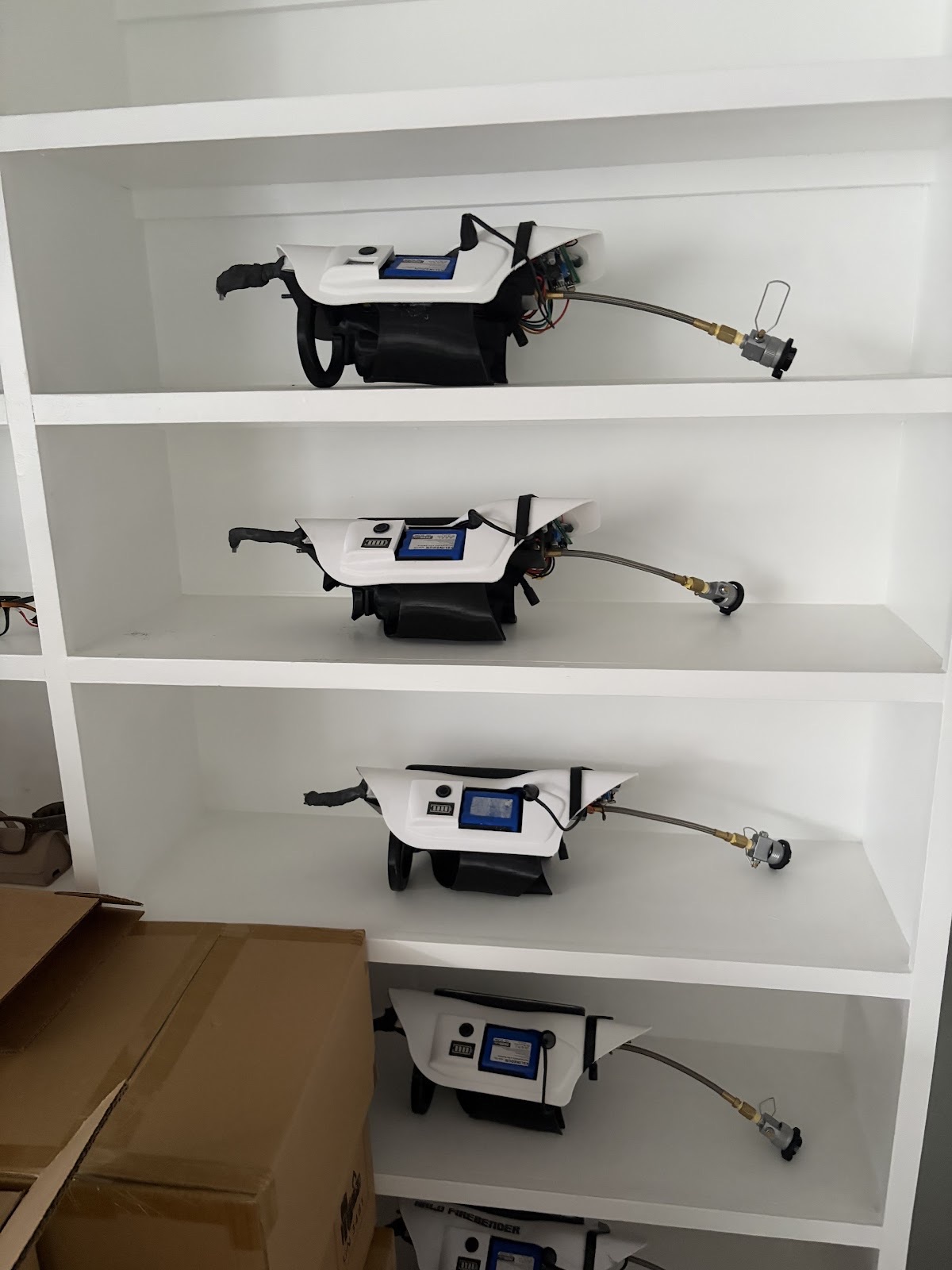
In San Francisco, a Marina suburb lies a three-story Victorian home. It’s a hacker house by design, arranged intentionally with everything that they love and that drives them to build. They’re armed with trophies of the past: 5 flamethrowers mounted on the wall, an Iron Man helmet, a robot dog upstairs, a graveyard shelf carrying basically every smart glass ever brought to market. No matter the time of week, fresh glasses prototypes will be ready to wear, waiting to be paired with the smart ring accompanying every unit.
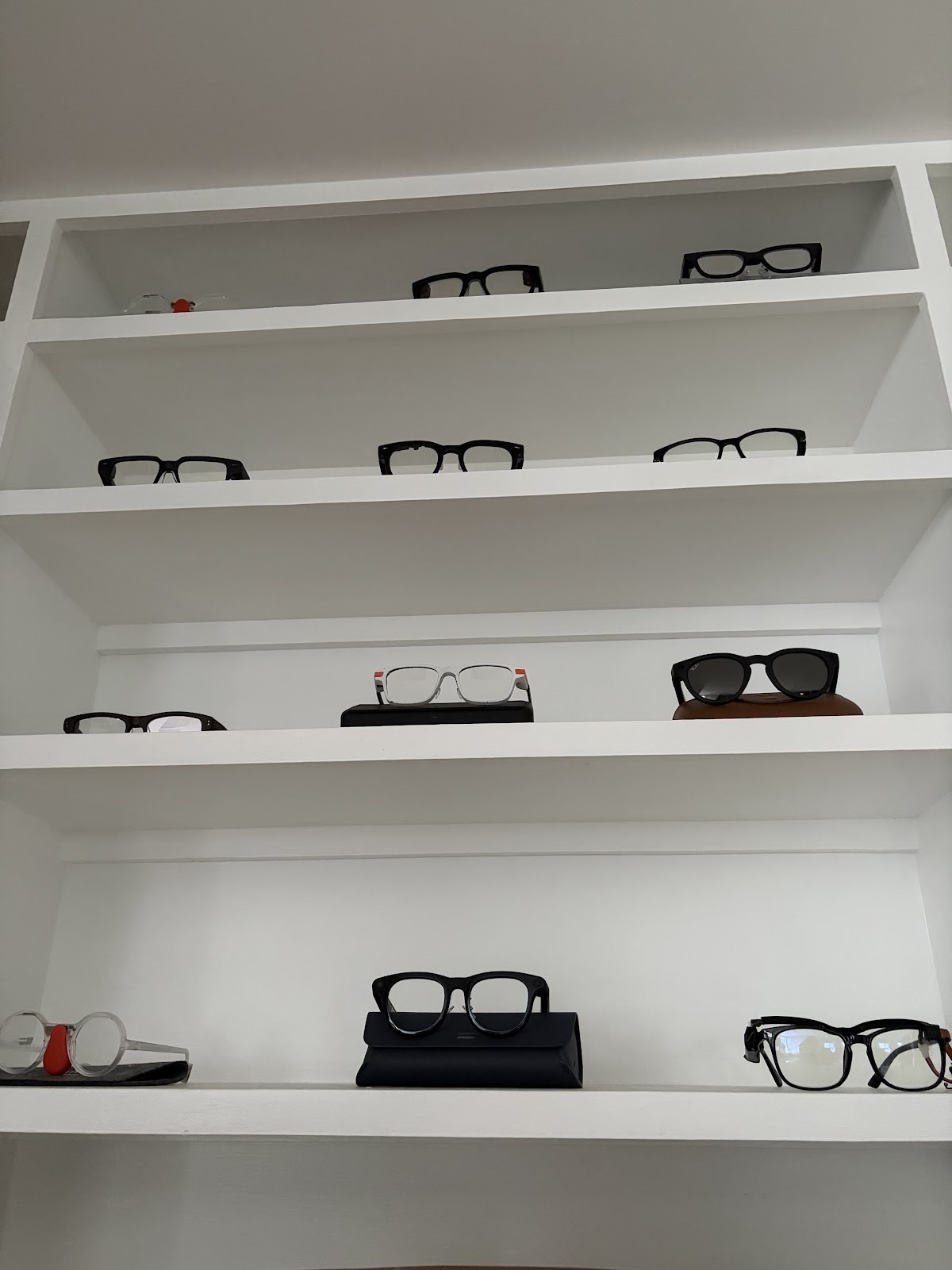
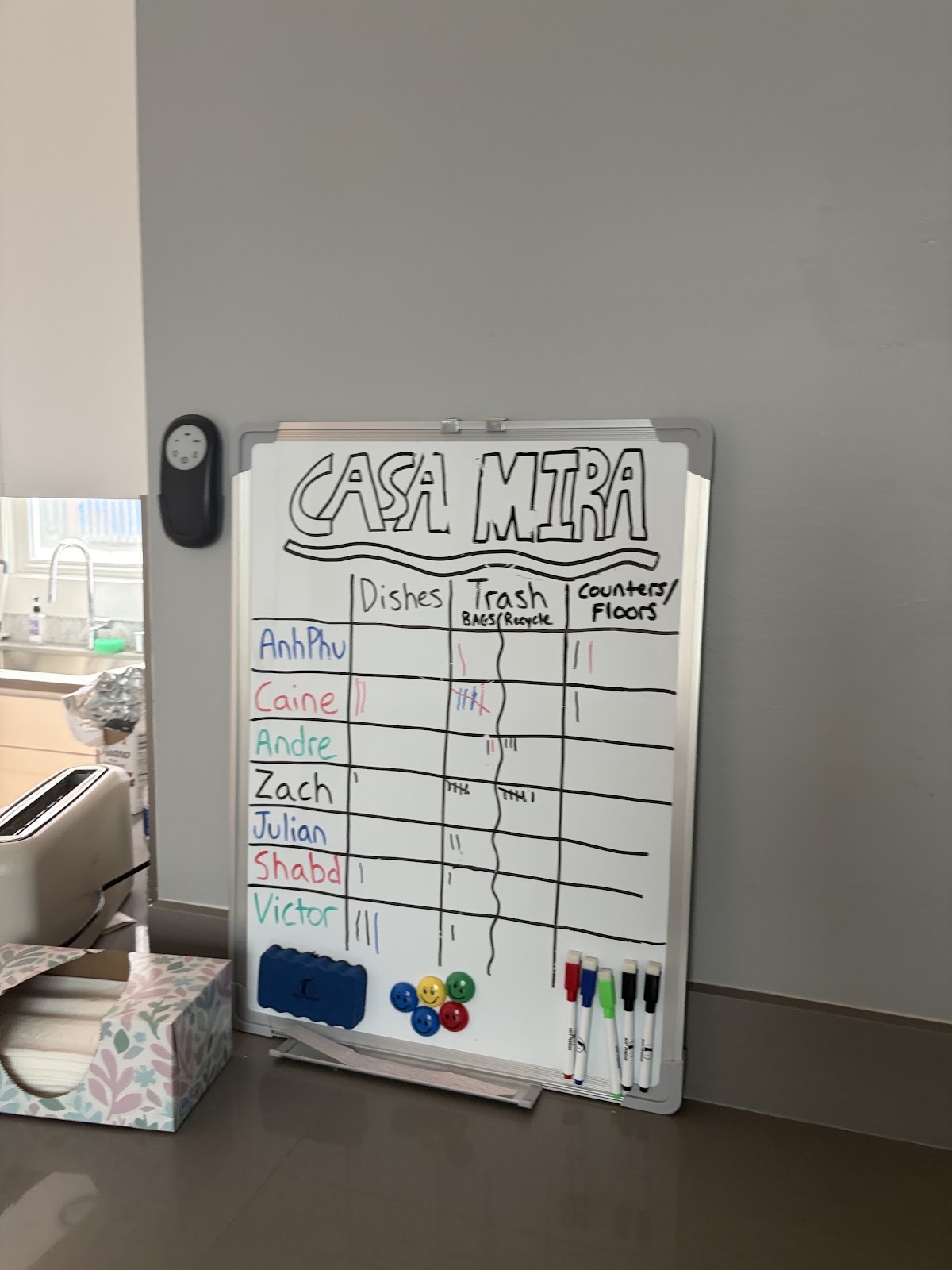
The first floor is domestic: a kitchen with "Casa Mira" where a team of 10 lives, cooks, and takes out its own trash. The second floor is a factory. Shipments arrive, units get packaged, and a human at the bench fits custom prescription lenses onto a hopeful customer. 10 feet away, this floor also sits the repositories of Mira, with voices activating the agent in a self-serving loop as it ships its own features.
Mira is not a smart glasses company. Mira is building the hardware that lives with you in full context: from everything you hear to everyone you talk to. The glasses are simply the current best answer to what agents will become, without any burden of a back-lit display.
Society has always wanted an agent. Before agents, the fantasy was Jarvis. Before Jarvis, it was augmentation, the recurring dream of a second ability layered onto an ordinary person that makes them extraordinary. ChatGPT, which over 1 billion people now use, is the first mass-market taste of it, and it comes with a catch — you have to brief it every time. The future of agents, according to Mira, will be closer to Jarvis: with enough every-day context, it’ll predict your habits better than you know yourself.
“Nobody's made an assistant that knows more than 1% of your day, and we want to be the first one that knows 100%.”
Why Glasses?
Smart glasses were sort of a necessary evil. There has always been a graveyard of the form factor that was smart glasses. Mira believes that those in the graveyard were taking a wrong turn. Every smart glasses company built the glasses first and bolted intelligence on second. Mira was invested in finding the soul first and building the vessel around it.
The Mira team have tried every other application, from pendants to pins, wristbands to earbuds, all things built, bought, or worn.
“We've tried monocles, BCIs, even a tongue interface that acted as a mouse. Glasses were the perfect intermediary.”
From an input perspective: they’ll sit on your head, where the mics will be able to catch everything from when you input your own experience. This is Speaker ID in action — the agent will know who's talking, how somebody's talking, and remember who asked for what.
From an output perspective, they carry the only private display ever put on a body. When you're checking for directions as you walk or checking a notification text, the main mode of display will be your glasses instantaneously instead of having to open and whip out your phone.
To AnhPhu, the argument is as simple as the word "bandwidth." Every personal computer in history has had a display. After all, a display is the highest possible bandwidth input to your brain that is currently feasible. Add voice recognition which will work at a whisper, and you will have [to yourself] a full computer nobody else in the room can see or hear.
Mira’s vision is to build an agentified glasses experience that will right the wrongs of its privacy disabled predecessors.
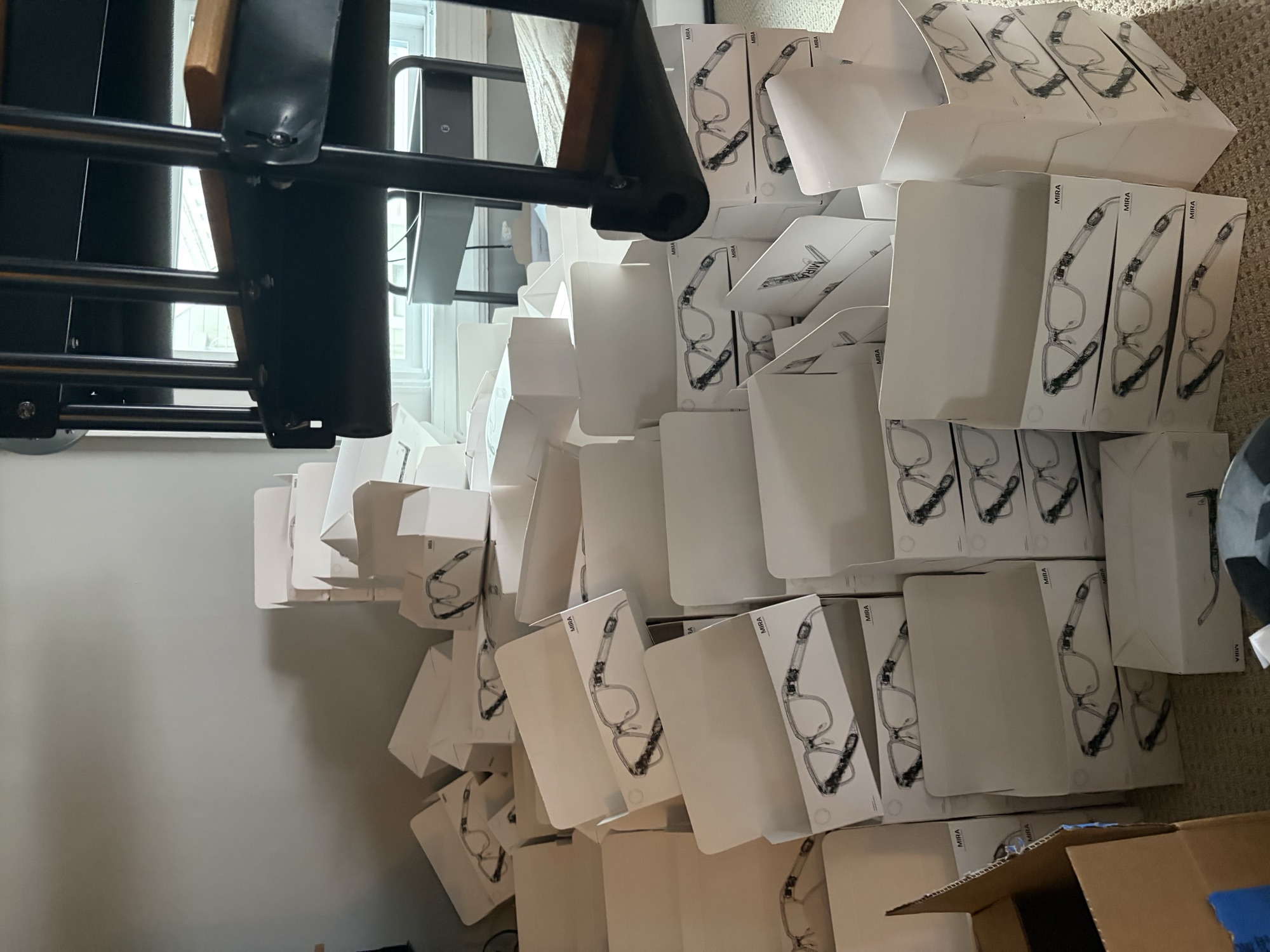
Within 7 months, their team of 10 shipped the first 2,000 glasses. To get from 0 to 1, every early unit was hand-packed in the living room to 2:00am in the morning. Prescriptions attached via a white glove service, and customer iteration calls every day. Those first units became a promise to understand how people actually use hardware AI.
The Folks That Mira Makes Miracles For
There are not enough hours in the day at Mira. When a customer writes in about a feature, it's answered personally over email. When a customer wants to talk about why the product exists, they’ll be guided to a personal San Francisco tour on how the Mira glasses have been uplifting their human senses.
Let’s start with hearing. One user has an audio-processing disorder that blurs her conversation into every nearby discussion. The glasses only transcribe her dialogue to keep her engaged and honed in on only her conversation. Another hard of hearing and finds hearing aids uncomfortable said he can’t live without Mira. A third isn't hard of hearing at all, just simply a bad listener and a fast reader, so he’ll run captions on his live conversations to keep up.
Then language. An auto detailer serves Mandarin, Italian, and Spanish-speaking clients through the translation all day, then plates microchips at night. He’ll ask the glasses about temperatures and chemicals. A veteran, testing translation, said: "If I could have kept my hands on my weapon and talked Farsi, that would’ve saved my life more times than I could count."
Memory is for when your hands (and head) become full. A roof inspector who takes 200 photos in an afternoon signifies which of the 6 that are project critical by voice, cutting the turnaround of his report in half. A catastrophe firm that sends 50 people into the field after a hurricane, in conditions where search dogs weren’t available, cleared 150 buildings through the glasses instead — tracking who went in, what they found, and when it was picked up. A restaurant owner juggling between seating guests and managing his staff is now reminded when his vendor order is arriving.
And some of it is just sonder in life. A customer wore them while his parents negotiated a house sale, caught everything coming at them, and handed his parents the record. One man logs his Bible study. Another asked questions through a museum without taking out his phone. One flew to San Diego on the right day because the glasses recalled a conversation from earlier in the week that he didn't.
For their users, Mira glasses have morphed into their daily lives, becoming a prosthetic (akin to another sense) that has meaningfully enhanced how they see the world and go about their day.
Shipping Via Mira
With endless screens & constant attention from users, who ships? Mira does.
Standup at 7. Lunch at noon. A break at 4 that ends at 4:15. At 6 comes a ritual called brain rot hour, which lasts about 2 minutes, and is exactly what it sounds like. A demo, most days, at 6.
Everybody’s four-eyed here. Consumed into smart-glasses, often multiple at a time, from Mira Glasses to their competitors. It’s through these glasses where Mira’s shipping transcends: a conversation about a bug becomes a transcript. Said transcript becomes a Linear ticket, and the linear ticket is sent to Claude for iteration & prototyping in a recursive loop. As the engineer's job shifts from writing the patch to judging it, nobody is a ‘meat proxy’ to their own backlog.
Not being a ‘meat proxy’ is important in this household. It comes from an essay Caine posted in the company Slack, ‘Don't Be a Meat Proxy’, about people who repeat an AI's answer instead of forming their own.
“If I ask you a question, it should be your thoughts," Caine says. I asked the obvious follow-up: whether a computer worn an inch from the eye manufactures meat proxies at scale. He conceded the risk without conceding the product. "That can be the trap. But in the best case, it's just a much faster version of your phone. It’ll be the theme of our next hackathon!"
Every 2 weeks, the floor stops for a syncopated hackathon. Everyone’s drafted, with no exemptions — from founder to contractor, from operations to hardware engineers. The goal: anyone can go to anybody to talk about what’s broken.
The hackathons look like culture but function as strategy. AnhPhu's voice-only Uber app came out of an early iteration and rewired how the team thought about voice. Caine cracked the real-time models at a third; they run production now.
The bar for winning is severe: do in days what engineers couldn't do in weeks. 3 engineers spent weeks on real-time speaker ID, the feature that lets the agent track who’s talking, and concluded it couldn't be done well. Andre, hired to run ads, did it in a day and a half.
Upstairs, kept but smashed, is a part-lego punch-activated flamethrower. AnhPhu and Caine built its first iteration in Boston, at a hacker house called C-House, where the residents shipped something every week and the output ran from a smart monocle to an Iron Man helmet, and where AnhPhu, between projects, cut the team's hair. Downstairs, mounted on the wall of the company they now run, hang the descendants: 5 industrial flamethrowers, limited editions, $10,000 each. (They are running out of stock again.)
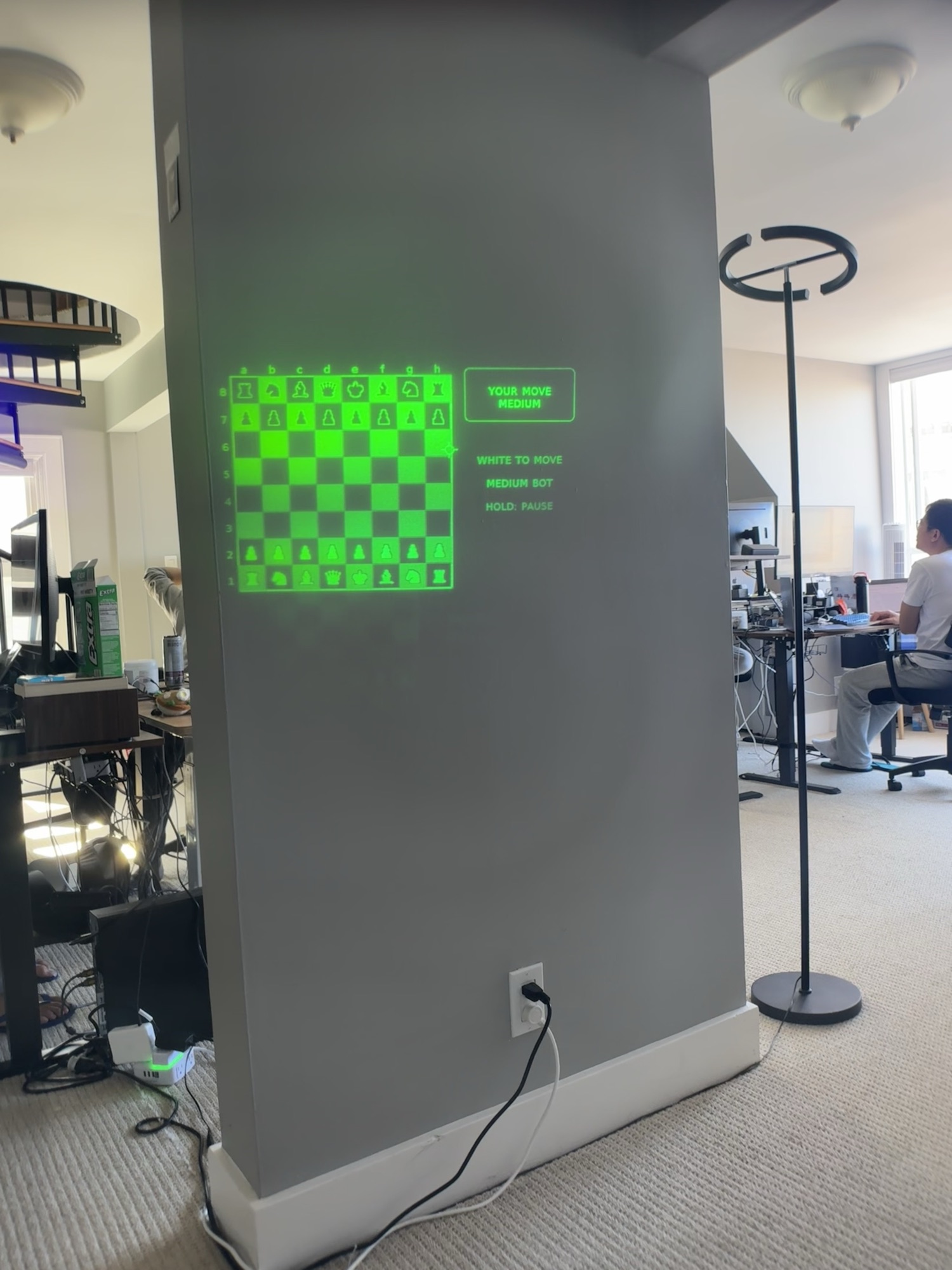
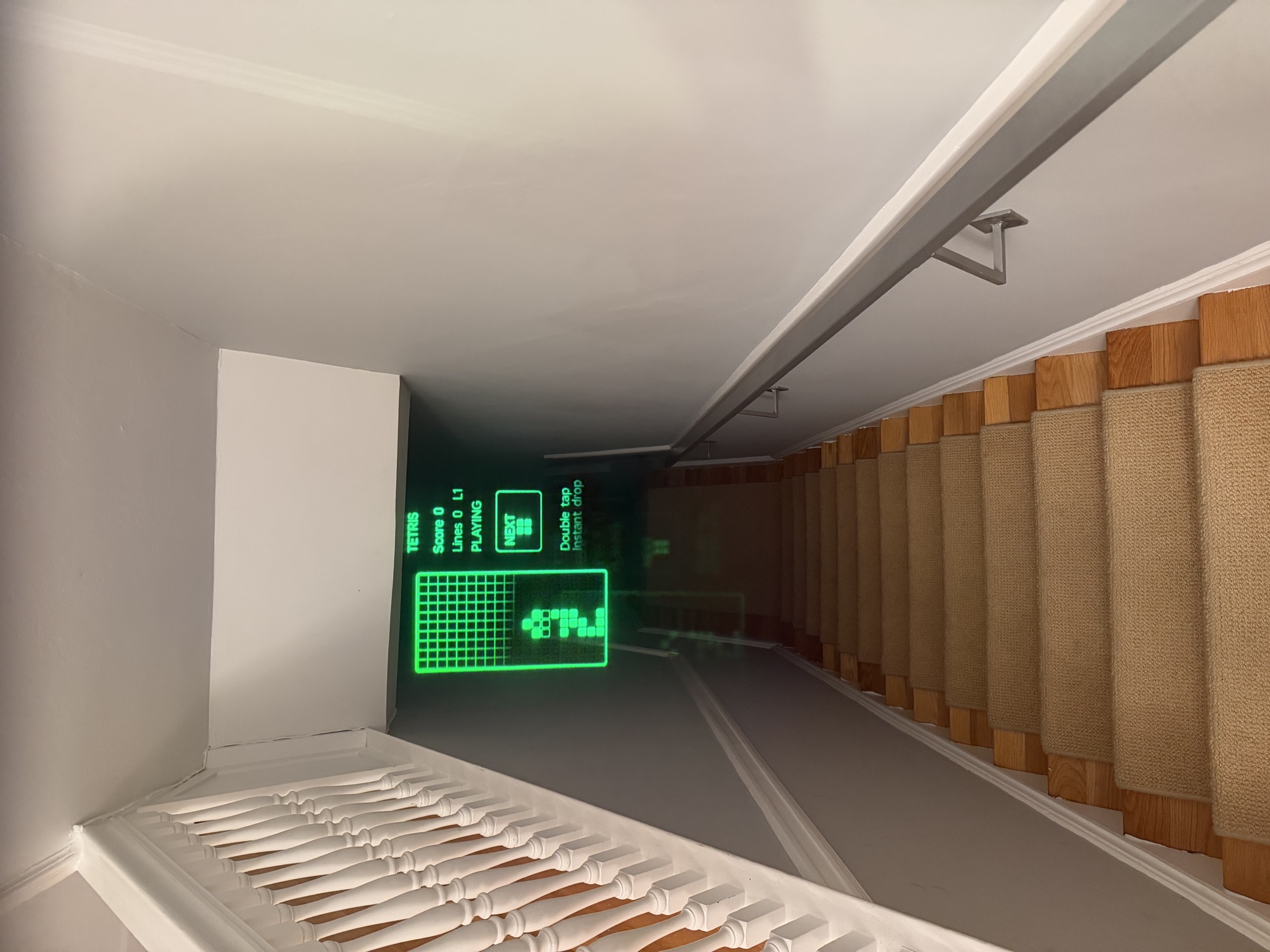
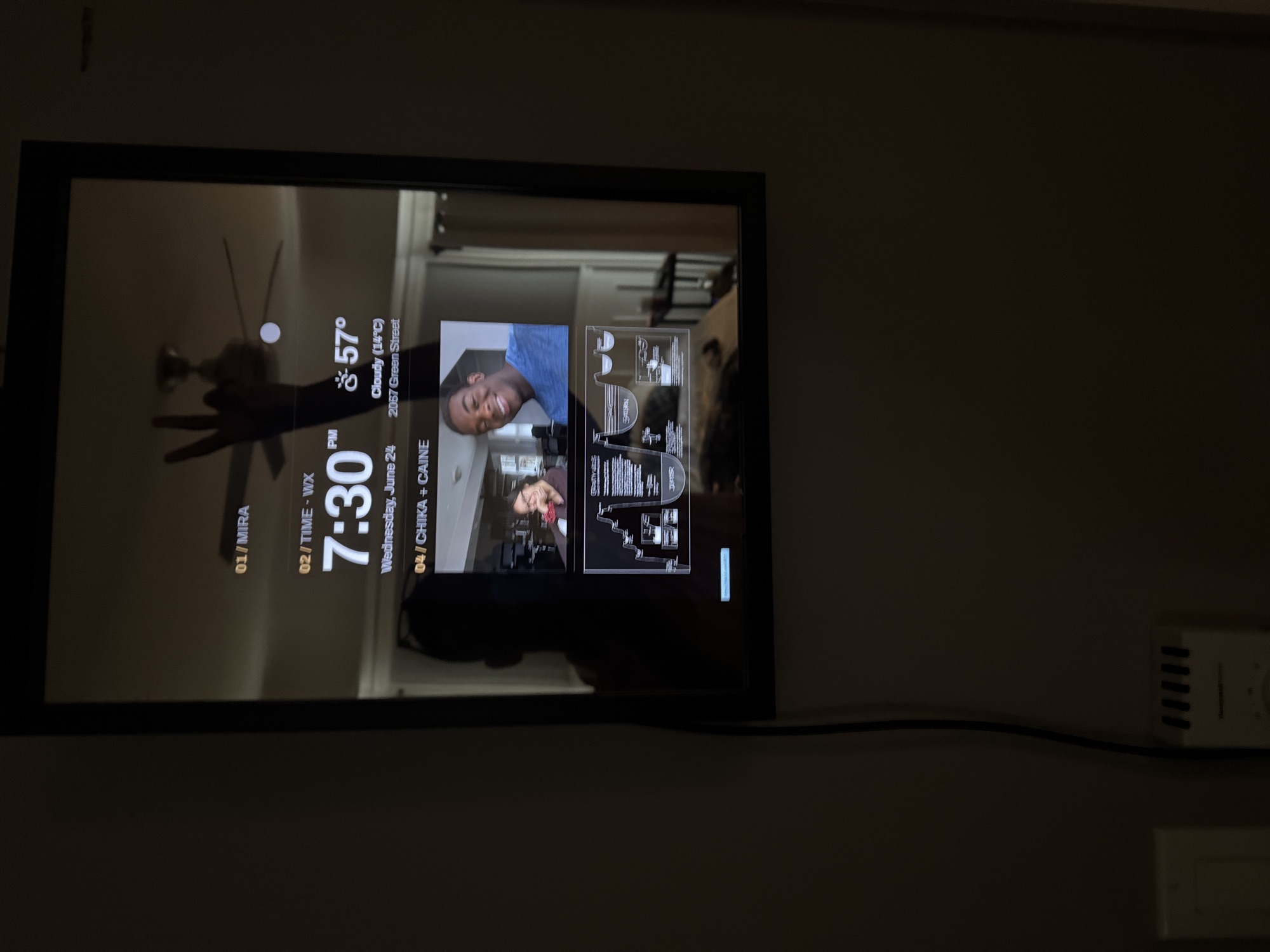
A visitor might sort these hackathon inventions into the serious and the unserious. The house does not. ‘Mira Mira on the Wall’, built by Caine, became a smart mirror in the house that runs & gives the same autonomy as the glasses. AnhPhu's office lights now obey the glasses. Tetris runs on the lenses. So does chess. When the prescription pipeline needed a measuring tool and 2 architectures had already failed, an engineer and AnhPhu built the third on a half all-nighter and shipped it the next morning.
And the Mira team isn’t alone. Andrej Karpathy, the man who coined vibe coding, runs his house through an elf. He built an AI claw, named it Dobby after the Harry Potter character, and handed it the lights, the shades, the HVAC, the pool, the spa, and the security system. When a FedEx truck pulls up, Dobby texts his WhatsApp with a photo from the outside camera. When he's done for the night, he tells it "sleepy time" and the house goes dark. When the system became functional, 6 apps came off his phone.
We’re even in the age of agentic parenting. Claire Vo is a full-time entrepreneur, and a full-time mother of 3. She runs a household agent named Finley that she open-sourced under the name Tradclaw, billed as ‘the tradwife we all deserve’. It greets her each morning knowing what everyone has going on, plus an age-appropriate fun fact per kid. It triages school emails and surfaces the forms, the deadlines, the theme days. It checks for pickup conflicts before they become same-day chaos, plans the week's dinners and turns the gaps into a grocery list, logs homework from photos, reminds her to pay the cleaner, the sitter, and the dog walker, and writes bedtime stories based on what the kids are into right now. There is no moral authority in a handwritten to-do list: the point of the machine is more time with the kids, not less.
Mira’s Next Act
As their lease expires in December, they'll move into a dedicated factory & office. The waitlist and pre-order era, one where a founder hand-packs your glasses at 2 AM is nearing its end. But the relentlessness from the team for customer care will only prosper.
Mira is now the only American smart glasses company on CDW, the marketplace where school districts and Fortune 500s are required to buy their technology. Beyond a Chromebook Cart, we can see a Mira Glasses cart alongside every student in a language class.
Mira is one of dualities. A fulfillment center within a hacker house. 2 founders who got famous proving what glasses could take from a stranger, now asking people to wear them. A team that ships every 2 weeks and voluntarily delays finished releases for safety's breathing room.
Dualities are what make a place alive, and the biggest bridge Mira has to build. A device that securely hears your whole day, and the ordinary human lives it's meant to serve.
The census of lives changed is already written: a kid who can't focus, in a district with no accommodation to offer him. The hard-of-hearing user whose captions read as life changing, whom Mira still isn't allowed to advertise to. The mother running her household the way Claire Vo does with 9 agents and a GitHub repo, except in a touch of a ring. The executive with back-to-back meetings. The roofer with 200 photos and 30 seconds to produce a report.
No one knows what the personal computer becomes in the long term, and I wouldn't trust anyone spouting oracle wisdom. But inside this three-story house in the ‘non-technical north,’ I saw glimpses of an old world thinning: the phone left in the pocket at dinner, the notes taking themselves, the errand handled mid-conversation.
The frontier will always build its own staff. While Karpathy has his elf, Mira is building everyone else's. What’s the point of a second brain? To not be a meat proxy: not to think for you, but to leave you free to.
If this is the future you're excited to build, please fill out our intake form here.